
14. Industrial Mechanical uncovers the fascinating world of mechanical systems that drive the backbone of modern manufacturing. This sector blends engineering prowess with innovative technologies, ensuring efficient production processes across various industries.
From the intricate machinery that powers factories to the sophisticated applications in agriculture, industrial mechanical systems play a critical role in optimizing performance and productivity. As technology continues to evolve, the significance of these systems expands, paving the way for new advancements and opportunities in the field.
Overview of Industrial Mechanical
Industrial mechanical plays a crucial role in the landscape of modern manufacturing, serving as the backbone of production processes across various sectors. This field encompasses the design, analysis, and manufacturing of mechanical systems that enhance efficiency and productivity. With the rapid advancement of technology, industrial mechanical systems have evolved to meet the demands of contemporary production environments.Key components of industrial mechanical include machinery, tools, and systems that facilitate manufacturing operations.
Processes such as machining, assembly, and maintenance are integral to ensuring optimal performance and output. The role of technology in this domain cannot be overstated; innovations such as automation, computer-aided design (CAD), and robotics have revolutionized the way mechanical systems are developed and implemented.
Applications of Industrial Mechanical
Various industries leverage industrial mechanical systems to optimize their manufacturing processes. From automotive to aerospace, the applications of mechanical systems are vast and varied. Here’s a closer look at some key applications:
- Automotive Industry: Mechanical systems are essential in the assembly and production of vehicles, where precision and efficiency are paramount.
- Aerospace: Advanced mechanical components are used in aircraft manufacturing, ensuring safety and performance.
- Construction: Heavy machinery and equipment powered by mechanical systems are crucial for building infrastructure.
- Energy Sector: Mechanical systems play a significant role in the generation and distribution of energy, particularly in renewable sources.
Recent innovations in industrial mechanical applications have led to significant improvements in efficiency. For example, the introduction of smart manufacturing techniques has allowed companies to reduce waste and enhance production rates.
Importance of Business Accounting in Industrial Mechanical
The relationship between industrial mechanical operations and business accounting principles is critical for the success of any mechanical firm. Accurate accounting practices not only track financial performance but also help identify areas for improvement and investment. In the mechanical industry, financial metrics such as return on investment (ROI), cost of goods sold (COGS), and operating margins are essential for decision-making.
By closely monitoring these metrics, companies can better allocate resources and optimize their financial health.
Payroll Management in Industrial Mechanical
Payroll systems are vital for mechanical engineering firms, ensuring that employees are compensated accurately and on time. Effective payroll management also impacts employee satisfaction and retention.However, the industry faces challenges such as compliance with labor laws, managing overtime, and integrating payroll with other financial systems. To create a robust payroll system tailored for industrial mechanical firms, consider the following structure:
- Automated Time Tracking: Implement systems that capture employee hours worked seamlessly.
- Compliance Management: Regularly update payroll systems to comply with local and federal regulations.
- Integration with Financial Software: Ensure payroll systems are compatible with accounting software for streamlined reporting.
Marketing Strategies: Business Advertising in Industrial Mechanical
An effective advertising strategy for industrial mechanical products requires a deep understanding of the target audience and the unique selling propositions of the products. Targeted advertising is essential for reaching potential clients who may benefit from mechanical solutions.Successful advertising campaigns in the industrial mechanical sector often focus on demonstrating the efficiency and reliability of products. For instance, a campaign that showcases a cutting-edge CNC machine’s capabilities can capture the attention of manufacturers looking to upgrade their equipment.
Business Agriculture: Role of Industrial Mechanical
Industrial mechanical systems are transforming agricultural practices by introducing machinery that increases productivity and efficiency. Innovations such as precision farming equipment, automated tractors, and advanced irrigation systems are revolutionizing the way farming is conducted.Case studies reveal that farms utilizing mechanical systems experience significant yield increases and reduced labor costs. For example, a farm implementing automated planting systems reported a 30% increase in crop yield while lowering overall operational costs.
Architectural Considerations in Industrial Mechanical
Facilities housing industrial mechanical systems require specific architectural designs to optimize workflow and efficiency. Considerations such as space layout, access to machinery, and safety regulations are paramount.Interior design elements can enhance functionality in mechanical spaces. For example, open layouts encourage collaboration, while dedicated areas for maintenance and storage minimize downtime and improve operational flow.
Business Branding for Industrial Mechanical Companies
A strong branding strategy for an industrial mechanical company involves creating a unique identity that resonates with industry professionals. Key elements contributing to effective branding include a memorable logo, consistent messaging, and a clear value proposition.Successful examples of branding in the industrial sector often highlight reliability and innovation, underscoring the company’s commitment to quality and service.
Business Travel Considerations for Industrial Mechanical Professionals
Professionals in the industrial mechanical sector often have travel requirements that necessitate careful planning. Best practices for organizing business travel include setting clear objectives, optimizing travel routes, and ensuring compliance with industry standards.A checklist for optimizing business travel related to mechanical industries should include:
- Verifying travel documents.
- Booking accommodations near client sites.
- Preparing an itinerary with key meeting times.
Career Advice in the Industrial Mechanical Field
A career in industrial mechanics demands a set of essential skills, including problem-solving, technical knowledge, and proficiency in software tools. Job seekers looking to enter this field should focus on gaining hands-on experience through internships and relevant educational programs.Continuous education and training are vital in this rapidly evolving industry. Professionals should seek certifications and training opportunities to stay abreast of the latest technologies and practices.
Change Management in Industrial Mechanical Organizations
Implementing change within industrial mechanical firms requires a structured approach to change management. Principles such as clear communication, employee involvement, and phased implementation are essential for successful transitions.Case studies illustrate that organizations that embrace change management frameworks experience smoother transitions and higher employee morale.
Trends in the Construction Industry and Industrial Mechanical
The intersection of industrial mechanical systems and modern construction practices is reshaping the industry. Mechanical innovations like 3D printing and prefabrication are streamlining construction processes and reducing costs.Examples of mechanical systems used in contemporary construction projects include automated cranes and robotic bricklaying machines, which enhance efficiency and precision.
Business Consulting for Industrial Mechanical Firms
Business consulting can provide substantial benefits for industrial mechanical companies, particularly in areas such as operational efficiency, financial management, and strategic planning. The process of conducting a consulting engagement typically involves a thorough analysis of current operations and recommendations for improvement.Strategies for effective consultancy in industrial mechanical operations include establishing clear goals, maintaining open communication with stakeholders, and focusing on data-driven decision-making.
Continuity and Disaster Recovery in Industrial Mechanical Operations
Disaster recovery planning is essential for mechanical firms to ensure business continuity during unexpected events. Best practices include identifying critical operations, establishing recovery time objectives, and conducting regular drills.A template for a disaster recovery plan specific to mechanical industries should Artikel steps for communication, resource allocation, and system restoration.
Customer Service in the Industrial Mechanical Sector
Customer service plays a pivotal role in enhancing client relationships within mechanical industries. Strategies for improving customer service practices include providing thorough training for service staff and implementing feedback loops to address client concerns promptly.Examples of exemplary customer service in industrial mechanical companies often highlight proactive support and personalized service, which can significantly boost client loyalty.
Entrepreneurialism in Industrial Mechanical
Opportunities for entrepreneurship within the industrial mechanical space are abundant, particularly as industries seek innovative solutions to improve efficiency and reduce costs. Strategies for starting a business focused on mechanical solutions include conducting market research, developing a robust business plan, and securing funding.However, launching an industrial mechanical startup also comes with challenges, such as competition and the need for technical expertise.
Business Ethics in Industrial Mechanical
Ethical considerations in the industrial mechanical sector are paramount, given the potential impact on safety and environmental sustainability. Professionals in this field often face dilemmas related to resource allocation and sustainability practices.Strategies for fostering a culture of ethics in mechanical organizations include establishing clear ethical guidelines and promoting transparency in decision-making processes.
Business Franchising Opportunities in Industrial Mechanical
Franchising presents unique opportunities for growth in industrial mechanical businesses, offering established business models and brand recognition. Understanding the pros and cons of franchising is crucial for potential franchisees in this sector.A roadmap for aspiring franchisees should include evaluating the market, understanding franchisor support, and ensuring alignment with personal business goals.
Furnishings and Supplies for Industrial Mechanical Workspaces
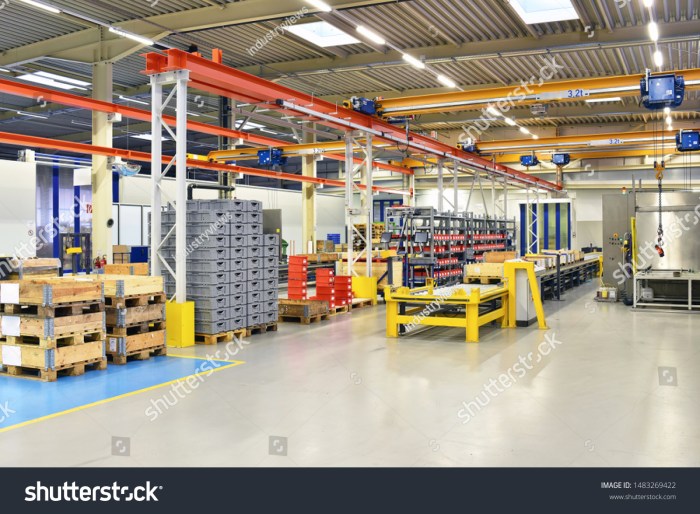
Essential furnishings and supplies in industrial mechanical environments include heavy-duty workstations, storage solutions, and safety equipment. The design of the workspace significantly impacts productivity, as efficient layouts reduce waste and enhance workflow.A checklist for outfitting an industrial mechanical workspace should encompass:
- Durable and ergonomic furniture.
- Safety gear and signage.
- Organized storage solutions for tools and materials.
Human Resources in the Industrial Mechanical Sector
The role of human resources in supporting industrial mechanical companies extends beyond recruitment; it encompasses talent management and employee development. HR faces challenges in attracting technical talent and should focus on creating a positive workplace culture.Strategies for talent management include mentorship programs, competitive compensation packages, and opportunities for continuous learning.
Last Point
In conclusion, understanding the complexities of 14. Industrial Mechanical highlights its vital role in transforming industries and enhancing operational efficiencies. As we look to the future, the ongoing innovations and strategic implementations within this sector promise to address challenges and unlock new potentials for growth.
Essential FAQs
What are the main components of industrial mechanical systems?
The main components include machinery, automation systems, control systems, and various mechanical devices designed for specific industrial applications.
How does technology influence industrial mechanical operations?
Technology enhances efficiency, reduces costs, and improves precision in industrial mechanical operations through automation, data analytics, and advanced materials.
What industries benefit most from industrial mechanical systems?
Industries such as manufacturing, agriculture, construction, and logistics greatly benefit from industrial mechanical systems due to their need for efficiency and productivity.
What challenges do businesses face in industrial mechanical sectors?
Common challenges include technological adaptation, workforce training, and maintaining high safety standards while optimizing productivity.
How can businesses ensure disaster recovery in industrial mechanical operations?
Businesses can ensure disaster recovery by developing comprehensive plans that include risk assessment, emergency protocols, and regular training for personnel.


