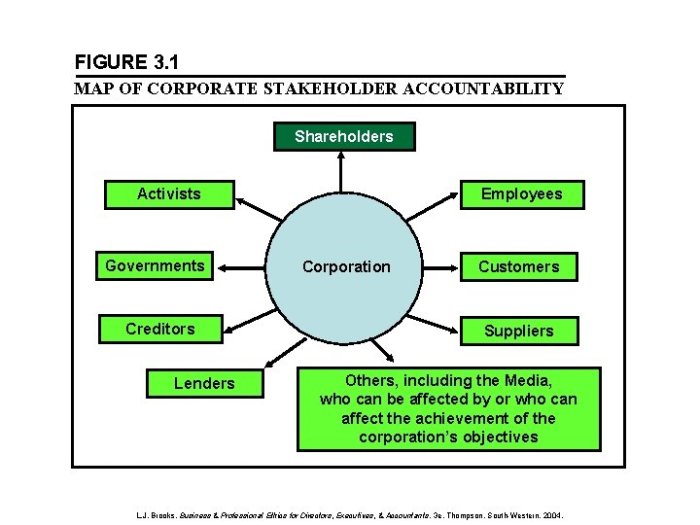
Stakeholder accountability is becoming an essential pillar of modern business practices, influencing how organizations operate and interact with their communities. As businesses navigate a complex landscape of expectations from various stakeholders, understanding the importance of accountability can significantly enhance trust and cooperation among all parties.
This topic delves into the multifaceted role that stakeholder accountability plays across different sectors, from financial transparency in accounting to ethical considerations in advertising and brand management. By fostering a culture of responsibility, businesses can drive better decision-making and build lasting relationships that contribute to sustainable growth.
Importance of Stakeholder Accountability in Business
Stakeholder accountability is a critical component in building and maintaining trust within organizations. When businesses are accountable to their stakeholders, they foster a culture of transparency and responsibility, which is essential for long-term success. This accountability not only enhances relationships with stakeholders but also leads to more informed decision-making processes.
Significance of Stakeholder Accountability
Stakeholder accountability plays a vital role in decision-making processes among stakeholders. When organizations commit to being accountable, they create an environment where stakeholders feel valued and heard. This leads to better collaboration and can result in innovative solutions to challenges faced by the business.
Strategies for Enhancing Stakeholder Accountability
To improve stakeholder accountability, businesses can implement several strategies:
- Establish clear communication channels for stakeholders to voice concerns and feedback.
- Provide regular updates on business practices and performance metrics.
- Incorporate stakeholder input into strategic planning and decision-making processes.
Stakeholder Accountability in Business Accounting
The integration of stakeholder accountability into financial reporting is essential for establishing trust and integrity in business operations. Transparency in accounting practices ensures that stakeholders have access to accurate information, allowing them to make informed decisions.
Role of Transparency in Business Accounting
Transparency is a cornerstone of business accounting. By providing clear and comprehensive financial reports, companies can demonstrate their accountability to stakeholders. This transparency can prevent misunderstandings and miscommunications regarding financial performance and operational strategies.
Implications of Accountability Failures
Failures in accountability can have significant implications for financial statements. Inaccurate reporting can lead to loss of stakeholder trust, legal repercussions, and financial instability. Organizations must prioritize accountability to safeguard their reputation and financial health.
Impacts of Accountability on Payroll Management
There exists a strong relationship between stakeholder accountability and payroll accuracy. Ensuring accurate payroll processing not only satisfies employees but also reflects a company’s commitment to responsible management practices.
Processes to Ensure Accountability in Payroll Systems
Implementing robust processes is essential for maintaining accountability in payroll systems. These may include:
- Regular audits of payroll records to identify discrepancies.
- Utilizing automated payroll systems to reduce human error.
- Providing clear guidelines and training for payroll staff.
Best Practices for Communicating Payroll Policies
Effective communication of payroll policies to stakeholders is paramount. Organizations should:
- Offer training sessions to educate employees about payroll processes.
- Distribute clear documentation regarding payroll policies.
- Encourage open dialogue for any questions or concerns related to payroll.
Role of Stakeholder Accountability in Business Advertising
Accountability significantly influences advertising ethics and compliance, shaping public perception and brand reputation. Companies that uphold accountability tend to be more trusted by consumers, which can enhance their market position.
Advertising Campaigns Exemplifying Accountability
There are numerous advertising campaigns that successfully exemplify stakeholder accountability. For instance, companies that openly address sustainability practices in their advertising demonstrate a commitment to ethical standards. These campaigns resonate well with consumers who value corporate responsibility.
Importance of Stakeholder Feedback
Stakeholder feedback is crucial in refining advertising strategies. By actively seeking input from stakeholders, businesses can better align their advertising efforts with audience expectations and preferences, driving engagement and loyalty.
Stakeholder Accountability in Business Agriculture
Establishing accountability in agricultural practices presents unique challenges. However, it is essential for promoting sustainable farming and ensuring food security.
Role of Stakeholder Engagement in Sustainable Farming
Engaging stakeholders is critical to achieving sustainability in agriculture. This can involve:
- Collaborating with local communities to develop sustainable farming practices.
- Incorporating feedback from consumers regarding agricultural products.
- Monitoring environmental impacts and sharing findings with stakeholders.
Methods for Measuring Agricultural Impact
To ensure accountability, businesses can measure the impact of their agricultural practices on stakeholders through:
- Regular assessments of crop yields and sustainability practices.
- Surveys assessing consumer satisfaction with agricultural products.
- Environmental impact studies to quantify efforts towards sustainability.
Architectural Accountability to Stakeholders
In architectural design and planning, stakeholder input is essential for creating spaces that meet community needs and expectations.
Ensuring Accountability in Project Delivery
To maintain accountability in architectural projects, firms should:
- Develop clear communication plans that Artikel design processes.
- Engage stakeholders through workshops and feedback sessions.
- Utilize project management tools for transparency in project timelines and deliverables.
Tools for Measuring Stakeholder Satisfaction
Architectural firms can employ various tools to measure stakeholder satisfaction, including:
- Post-project surveys to gather feedback on design outcomes.
- Focus groups with community members to discuss project impact.
- Regular check-ins during the project to ensure alignment with stakeholder expectations.
Stakeholder Accountability in Business Branding
Brand reputation management heavily relies on the perceptions of stakeholders. Companies that prioritize accountability often enjoy stronger brand loyalty and trust.
Brands Exemplifying Accountability
Several brands successfully uphold accountability to their stakeholders, such as those in the sustainable fashion industry that transparently share their sourcing and manufacturing processes. These practices build consumer trust and loyalty.
Impact of Social Responsibility on Branding Strategies
Social responsibility plays a significant role in shaping branding strategies. Companies that actively engage in socially responsible initiatives often find that their efforts resonate with consumers, leading to enhanced brand perception and market success.
Accountability in Business Travel Arrangements
Transparency in travel expense reporting is essential for maintaining stakeholder trust. Organizations must ensure that travel policies are clear and equitable.
Enhancing Travel Policies through Stakeholder Feedback
Incorporating stakeholder feedback can significantly enhance travel policies. Companies should:
- Solicit input from employees regarding travel experiences and policy effectiveness.
- Regularly review and update travel policies based on stakeholder suggestions.
- Provide training on expense reporting to ensure compliance and understanding.
Ethical Considerations in Travel Planning
Ethical considerations are paramount in business travel planning. Companies should strive to:
- Implement sustainable travel options to minimize environmental impact.
- Ensure fair treatment of employees regarding travel assignments.
- Maintain transparency in cost reporting to prevent misuse of resources.
Stakeholder Accountability in Career Development
Ensuring accountability in employee training and development programs is essential for fostering a culture of growth and engagement.
Organizations Prioritizing Stakeholder Engagement
Many organizations prioritize stakeholder engagement in career pathways. They often involve employees in the decision-making process regarding training initiatives, allowing them to voice their needs and preferences.
Importance of Feedback Loops in Career Advancement
Feedback loops play a crucial role in career advancement opportunities. Companies that implement structured feedback mechanisms can help employees identify strengths and areas for improvement, facilitating their professional growth.
Change Management and Stakeholder Accountability
Accountability is a key factor in successful change management initiatives. Organizations need to align stakeholder interests with change objectives to drive successful outcomes.
Strategies for Maintaining Accountability during Transitions
To maintain accountability during times of transition, organizations can employ several strategies:
- Clearly communicate the reasons for change and the expected outcomes.
- Involve stakeholders in the change process to foster buy-in and trust.
- Establish measurable goals and provide regular updates on progress.
Stakeholder Accountability in the Construction Industry
Accountability in project management within the construction sector is crucial for successful project delivery.
Mitigating Risks through Stakeholder Engagement
Engaging stakeholders can significantly mitigate risks in construction projects. This can include:
- Regular communication with community members regarding project impacts.
- Incorporating feedback from stakeholders to address concerns proactively.
- Establishing safety protocols with input from all relevant parties.
Successful Stakeholder Collaborations
Examples of successful stakeholder collaborations in construction include public-private partnerships that prioritize community needs and project transparency.
Enhancing Stakeholder Accountability in Business Consulting
Maintaining accountability in consulting engagements is critical for delivering value to clients.
Importance of Client Feedback
Client feedback is instrumental in improving consulting practices. By actively seeking client input, consultants can better tailor their services to meet client expectations.
Case Studies Illustrating Accountability in Consulting
Numerous case studies highlight the importance of accountability in achieving successful consulting results. These cases often demonstrate how clear communication and regular feedback loops contribute to improved client satisfaction and project outcomes.
Continuity and Disaster Recovery through Accountability
Stakeholder accountability plays a significant role in disaster recovery planning. Organizations that prioritize accountability are better equipped to navigate crises effectively.
Examples of Successful Accountability during Crises
Businesses that successfully leverage accountability during a crisis often share lessons learned and best practices with stakeholders, fostering a culture of resilience and preparedness.
Structuring Accountability Measures in Continuity Plans
To ensure accountability in continuity plans, organizations should:
- Define roles and responsibilities clearly for all stakeholders involved.
- Establish regular training and simulations to prepare for potential crises.
- Regularly review and update continuity plans based on stakeholder feedback.
Customer Service and Stakeholder Accountability
Key accountability metrics for customer service teams are essential for measuring performance and ensuring stakeholder satisfaction.
Role of Stakeholder Feedback in Enhancing Experiences
Stakeholder feedback plays an integral role in improving customer experiences. Organizations that actively seek input can adapt their services to better meet customer needs.
Best Practices for Accountability in Customer Service
To maintain high accountability in customer service, organizations should:
- Implement regular training for customer service representatives.
- Utilize customer satisfaction surveys to gather actionable feedback.
- Establish clear communication channels for customer inquiries and complaints.
Entrepreneurialism and Accountability
The relationship between entrepreneurship and stakeholder accountability is vital for startup success. Entrepreneurs who prioritize accountability are more likely to build trust with their stakeholders.
Influence of Accountability on Startup Success
Accountability influences startup success by fostering a culture of responsibility and openness. Startups that integrate accountability into their operations often experience sustainable growth and positive stakeholder relationships.
Examples of Startups Prioritizing Accountability
Several startups have successfully prioritized accountability to their stakeholders. These companies often implement transparent communication practices and actively engage with their communities to build trust and loyalty.
Business Ethics and Accountability
The ethical implications of stakeholder accountability are significant in shaping business practices. Organizations must integrate accountability into their ethical decision-making frameworks to ensure responsible conduct.
Frameworks for Integrating Accountability
To incorporate accountability into ethical decision-making, businesses can employ several frameworks, such as:
- Establishing a code of ethics that includes accountability guidelines.
- Implementing regular training on ethical practices and accountability.
- Encouraging open discussions about ethical dilemmas and accountability.
Case Studies Highlighting Accountability Failures
Case studies illustrating accountability failures in business ethics provide valuable lessons. These examples often highlight the consequences of negligence regarding stakeholder accountability, emphasizing the need for robust ethical practices.
Stakeholder Accountability in Business Franchising
Maintaining accountability in franchised operations presents unique challenges. However, addressing these challenges is crucial for ensuring brand integrity and franchisee success.
Successful Franchisors Prioritizing Accountability
Many successful franchisors prioritize stakeholder accountability by providing comprehensive support and resources to franchisees, fostering a strong partnership and mutual success.
Importance of Consistent Communication
Consistent communication between franchisors and franchisees is vital for maintaining accountability. Regular updates, training sessions, and open lines of communication can help ensure that everyone is aligned with brand standards and expectations.
Accountability in Furnishings and Supplies Procurement
Stakeholder accountability significantly impacts procurement decisions. Responsible procurement practices are essential for maintaining trust with suppliers and stakeholders.
Best Practices for Ensuring Accountability in Procurement
To ensure accountability in supply chain management, businesses should:
- Develop clear procurement policies that Artikel ethical sourcing standards.
- Regularly assess supplier performance to ensure compliance with accountability standards.
- Maintain open communication with suppliers regarding expectations and feedback.
Role of Supplier Relationships
Strong supplier relationships are fundamental in maintaining accountability standards. By fostering collaborative partnerships, organizations can ensure that suppliers adhere to agreed-upon ethical practices and standards.
Enhancing Human Resources through Stakeholder Accountability
Accountability in HR policies and practices is essential for fostering a positive workplace culture. Organizations that prioritize accountability often experience higher levels of employee engagement and satisfaction.
Examples of Organizations Integrating Accountability in HR
Numerous organizations successfully integrate accountability into their HR functions by involving employees in policy development and providing transparent communication regarding HR processes.
Methods for Measuring Employee Engagement
To measure employee engagement and accountability, businesses can utilize:
- Employee satisfaction surveys to gauge feelings about workplace practices.
- Regular performance reviews that incorporate feedback from peers and supervisors.
- Focus groups to discuss employee experiences and suggestions for improvement.
Industrial Mechanical Accountability
Stakeholder accountability plays a significant role in industrial mechanical operations, ensuring compliance with safety and quality standards.
Methods for Ensuring Compliance
To ensure compliance with safety and quality standards, organizations can:
- Implement regular training programs focused on safety protocols.
- Establish clear accountability measures for all employees involved in mechanical operations.
- Conduct regular audits to assess adherence to safety and quality standards.
Examples of Accountability Frameworks
Successful accountability frameworks in mechanical engineering often include standardized operating procedures, regular performance reviews, and open lines of communication for reporting issues and suggestions.
Epilogue
In conclusion, stakeholder accountability is not merely a regulatory requirement; it is a strategic approach that underpins successful business operations. By prioritizing accountability, organizations can not only improve their internal processes but also enhance their reputation and build stronger ties with their stakeholders. As businesses evolve, embracing accountability will be key to navigating the challenges of the future.
Question Bank
What is stakeholder accountability?
Stakeholder accountability refers to the obligation of an organization to be answerable to its stakeholders for its actions and decisions, ensuring transparency and ethical practices.
How does accountability affect decision-making?
Accountability fosters informed decision-making by ensuring that stakeholders consider the consequences of their actions, leading to more responsible and sustainable outcomes.
What are some strategies to enhance stakeholder accountability?
Strategies include implementing transparent reporting mechanisms, engaging in regular stakeholder dialogue, and establishing clear policies that Artikel responsibilities and expectations.
What role does accountability play in brand reputation?
Accountability is crucial in maintaining a positive brand reputation, as it builds trust among consumers and stakeholders, thereby enhancing loyalty and customer satisfaction.
Can accountability impact employee engagement?
Yes, when employees feel that their organization is accountable, they are more likely to be engaged, motivated, and committed to their work, leading to improved performance and retention.


